
"Central America coffee regions"
1000 article(s) found

Brief introduction of Santa Barara Manor in San Juan Heido region of Honduras Coffee Bean in Northern Central America
In Honduras, coffee-producing areas are divided into six major areas, spread to the west and south, namely Santa Barbara (Santa Barbara), El Paraiso (El Paraiso), Copan (Copan), La Paz (La Paz) and Comayagua (Olan Mound), with an average planting height of more than 1100 meters above sea level. The variety of coffee is Elaraby

Characteristics of coffee beans in three producing areas-characteristics of coffee beans in Central and South America
Characteristics of coffee beans in three producing areas-characteristics of Central and South American coffee beans Mexican coffee is a coffee-producing area from Cottpe and Veracruz in the north to Plamas in the central Oaxaca region to Chiapas in the southernmost area. and the flavor of each region is also different. Although there are many producing areas in Mexico, because the quality stability is not high, so we have to try in many ways in order to get high quality.

The coffee flavor of Santa Barara Manor in the San Juan Hido region of Honduras in northern Central America tastes good.
In Honduras, coffee-producing areas are divided into six major areas, spread to the west and south, namely Santa Barbara (Santa Barbara), El Paraiso (El Paraiso), Copan (Copan), La Paz (La Paz) and Comayagua (Olan Mound), with an average planting height of more than 1100 meters above sea level. The variety of coffee is Elaraby

Guatemala coffee beans origin and development of Guatemala coffee beans is what varieties
Professional coffee knowledge exchange More coffee bean information Please pay attention to coffee workshop (Weixin Official Accounts cafe_style) Guadi is the nickname of coffee friends for Guatemala (also translated as Guatemala). This Mayan city sits atop 37 volcanoes, two of which erupted in 2010. With frequent tornadoes and natural disasters everywhere, it is a veritable dangerous place

Gourmet Coffee from the South Fruit region of Vivette, Guatemala, Central America
Guatemala is bordered by Mexico to the north and El Salvador and Honduras to the south. Guatemala produces about 3.5 million bags of coffee each year, and raw coffee beans account for 40 per cent of the country's total agricultural exports. This country, which mainly grows and exports coffee, has fertile soil suitable for coffee trees, suitable climate, abundant water resources and high altitude planting height. Its territory is also

Recommendation of West Valley Manor in the Western Valley of Costa Rica
West Valley Manor in the western valley of Costa Rica recommended Central America as a land bridge connecting North and South America. There are seven countries, namely, Belize, Costa Rica, El Salvador, Guatemala, Honduras, Nicaragua and Panama. Seven Central American countries all produce coffee, with Guatemala, Costa Rica and Honduras among the top 10 coffee exporters in the world. Coffee
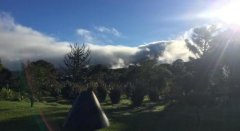
A detailed introduction of the coffee production areas of Costa Rica on behalf of coffee from Central America.
For the exchange of professional baristas, please follow the Coffee Workshop (official Wechat account cafe_style). There are seven countries in Central America, namely, Belize, Costa Rica, El Salvador, Guatemala, Honduras, Nicaragua and Panama. All seven countries in Central America produce coffee, among which Guatemala, Costa Rica and Honduras are global coffee exporters.

What are the characteristics of Latin American coffee? How can Latin American coffee taste good?
Professional coffee knowledge exchange more coffee bean information Please pay attention to coffee workshop (Wechat official account cafe_style) Coffee growth conditions due to the main geographical factors: latitude, temperature, topography, rainfall, sunshine and so on, the distribution of coffee producing areas varies from continent to continent. The countries of Central and South America and Africa match the climate and topography of the region at the same latitude and

Introduction of coffee beans in Nicaragua, the country with the worst economic conditions in Central America
Nicaragua | Nicaraguan Coffee Nicaragua coffee Nicaraguan Coffee beans w.kaf.name "Nicaragua is one of the major coffee producing countries and produces high quality coffee. Even coffee from the Antigua Mountains of Guatemala, which is famous in Asia, imports raw beans from Nicaragua. Nicaraguan coffee is not well known in Asia, but in fact, Nicaraguan coffee is already

Introduction to Panamanian Coffee, the King of Coffee Price ratio in Central America
The unique and most important resource of Panamanian coffee is its microclimate. The east-west environment of the Republic of Panama converges cold air over 6500 feet through the Central Mountains, creating a variety of microclimates in the Boquete and Volcn Candela regions, making it a major producer of Panamanian coffee. These specialty coffees are located in the Baru volcano area.
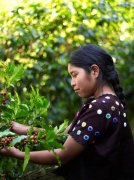
Guava Plain Manor, New Oriental region of Guatemala, Central and South American Coffee
Guatemala is one of the most important coffee producing countries in Central America, with long mountains and different regional climates, thus creating eight major coffee producing areas in Guatemala, all located on the highland topography of the subtropical climate, with abundant and stable rainfall and fertile volcanic ash soil is an excellent environment for coffee trees to grow. Plan del Guayabo is located next to the Volcn de Suchitn volcano.

Introduction to Central American boutique coffee what is the flavor of coffee in the Caribbean?
Have you ever heard of a coffee belt? The so-called coffee belt refers to the area near the equator between the Tropic of Cancer and the Tropic of Cancer. This region is close to the equator and the innate climatic conditions are ideal, so most of the coffee producing areas in the world are in the "coffee belt". According to the world map, seven countries in Central America are in the coffee belt, including Belize, Guatemala, Honduras and Thrall.

Panama has the highest Baru Volcano coffee in Central America.
Panama has one of the highest volcanoes in Central America: Mount Baru. The Baru volcano has an altitude of more than 3474 meters, and the surrounding land is nutritious and balanced, providing sufficient conditions for the sowing and cultivation of Panamanian coffee. The cold air stream converges and flows above 2262 meters in the Central Mountains, thus creating more and more in the Bouquete and Volcan regions.
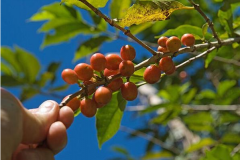
Coffee trip-Central and South America. Quality and characteristics of cultivation environment in various zones
Professional coffee knowledge exchange more coffee bean information please follow the coffee workshop (Wechat official account cafe_style) understanding Central American Coffee-Central America is the land bridge connecting North and South America, there are seven countries, namely, Belize, Costa Rica, El Salvador, Guatemala, Honduras, Nicaragua and Panama. All seven countries in Central America produce coffee, including Guatemala
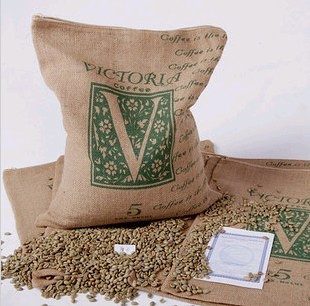
Well-known representative coffee from Guardia, Central America, Antigua, Guavid, Nango, Niagara, Costa Rica
Central American Guardiola (Guatemala) well-known representative coffee: Antigua (Antigua), Vivette Nango (Huehuetenango) Guardiola is about 15 degrees, the Pacific Ocean on the left and the Caribbean Sea on the right. Sierra Mountain near the Pacific Ocean is the main growing area of Guardia Coffee. Because of the long extension of mountains and the great change of regional climate, it has been created.
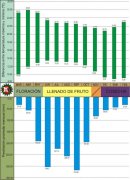
Geographical environment of Honduran coffee producing area in Central and South America cup test of Honduran coffee bean varieties
Honduran coffee has an excellent flavor. Caf de Honduras is synonymous with its people, traditions and living in harmony with the environment. Coffee production is a way of life for more than 100000 families who benefit from the production of this agricultural product. The vast majority of coffee produced in Honduras comes from 210 of the country's 298 municipalities and 15 of the 18 provinces.

Characteristics of coffee beans in various producing areas in Panama which producing area of Panamanian butterfly coffee
For the exchange of professional baristas, please follow the Coffee Workshop (official Wechat account cafe_style). There are seven countries in Central America, namely, Belize, Costa Rica, El Salvador, Guatemala, Honduras, Nicaragua and Panama. All seven countries in Central America produce coffee, among which Guatemala, Costa Rica and Honduras are global coffee exporters.

Coffee in Central America introduces the name and cultivation of coffee producing areas in seven countries.
For professional baristas, please follow the Coffee Workshop (official Wechat account cafe_style) 200Coffee School the land bridge between Central America and North and South America, there are seven countries: Belize, Costa Rica, El Salvador, Guatemala, Honduras, Nicaragua and Panama. Coffee is produced in seven Central American countries, including Guatemala, Costa Rica and Honduras.

Coffee producing area in South America | what are the flavor characteristics of coffee growing areas in Brazil?
Professional coffee knowledge exchange more coffee bean information please follow the coffee workshop (Wechat official account cafe_style) front street-South American coffee producing areas brief introduction to Brazil coffee producing areas in Central and South America is the world's largest coffee producing region, the amount of output here has a clear impact on the global coffee production rate, among which Brazilian coffee is the largest country in Central and South America and the first coffee producer.

Fragrant and mild taste of El Salvador Cuskabapa region boutique coffee beans taste manor
The national flag of El Salvador was launched in 1822, was rescinded in 1865, was restored in 1912, and was officially established as the national flag in the 1972 Constitution. The national flag is rectangular, with a ratio of length to width of 335 to 189. From top to bottom, the flag is connected by three parallel equal horizontal rectangles of blue, white and blue, and the central part of the white part is painted with the national emblem. Because El Salvador used to be a member of the Central American Federation, its flag is beautiful.